
Qeshm Island
UNESCO Global Geopark





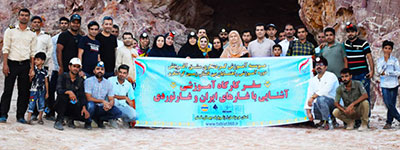
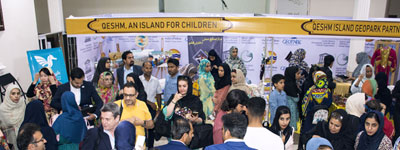
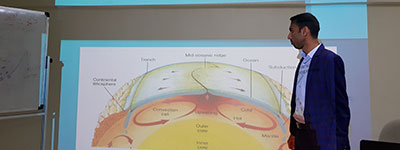
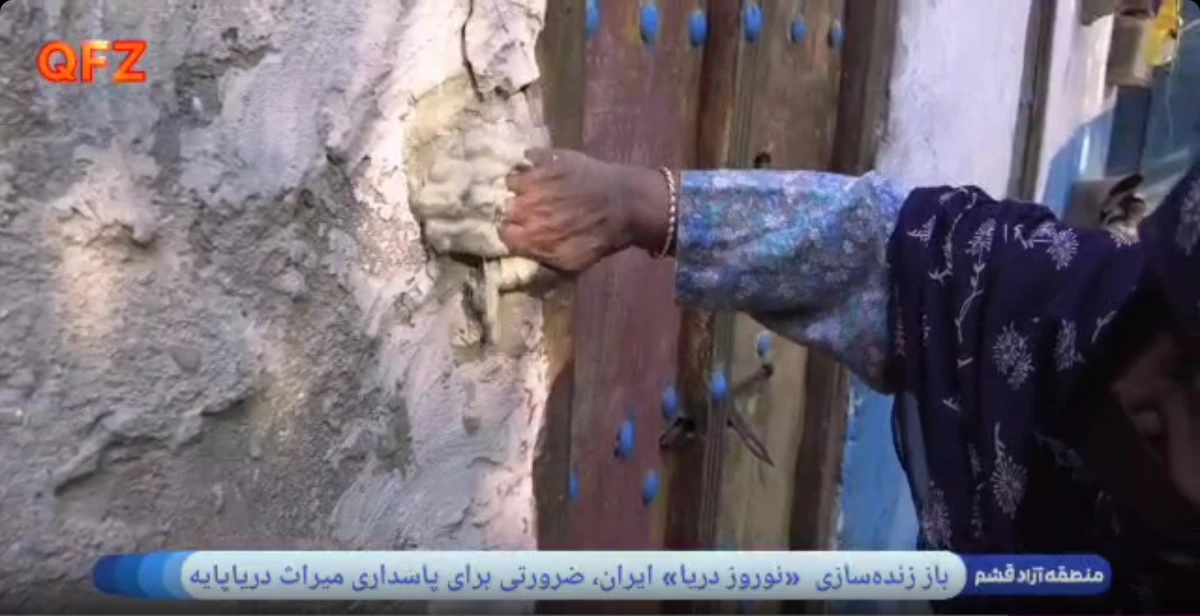
Marking the occasion of Nowruz-e Darya (Sea Nowruz) and the beginning of the Maritime New Year (31 July), the Director of Qeshm Island UNESCO Global Geopark described this cultural tradition as a living heritage that continues to strengthen the enduring relationship between people and the sea, remaining vibrant and deeply rooted in the life of Qeshm Island.
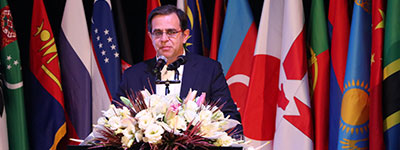
According to Qeshm Free Zone Media Centre, Dr Ebrahim Rostam Gurani emphasised the remarkable potential of this tradition for cultural branding, the development of event tourism, and the promotion of intercultural dialogue, calling for coordinated national and international efforts to revitalise this unique maritime heritage.
He stated that Nowruz-e Darya is far more than a local celebration; it is a remarkable example of the shared cultural heritage of coastal communities across the Persian Gulf and the Indian Ocean. Just as Nowruz has evolved into one of UNESCO's most successful multinational heritage inscriptions, jointly safeguarded by thirteen countries as a powerful symbol of peace, mutual respect and cultural coexistence, traditions such as Nowruz-e Darya also have the potential to foster regional cooperation while encouraging collective responses to climate challenges and territorial disputes.
According to Dr Rostam Gurani, Indigenous communities along Iran's southern coast, particularly on Qeshm Island, traditionally relied on a distinctive calendar to organise their livelihoods, developed through Indigenous knowledge and generations of lived experience with the sea. This maritime calendar divides the year into four seasons: Shahrima, Demestoon (winter), Juva, and Garma. The first three seasons each last 100 days, while Garma extends for 65 days. Shahrima begins immediately after the end of the storm season, marking the sea's first day of calm—a day celebrated as Nowruz-e Darya, the Maritime New Year.
He further noted that this calendar was not merely a practical system for determining fishing seasons; rather, it represented a symbolic framework that enabled people to live in harmony with the sea and the natural environment. Today, once again, it has the potential to serve as a valuable guide for climate-responsive living. Revitalising Nowruz-e Darya, therefore, is not simply the revival of a traditional celebration, but the restoration of an Indigenous knowledge system to contemporary social and cultural life.
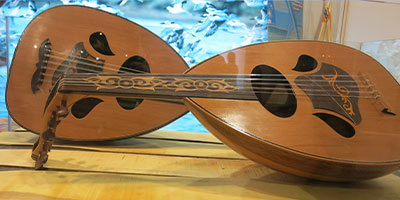
Emphasising the role of women as the principal custodians of this unwritten heritage, Dr Rostam Gurani added that coastal women have played a fundamental role in transmitting the maritime calendar and the traditions of Nowruz-e Darya through oral narratives, songs, environmental knowledge and collective memory. In many ways, it is through their voices that the sea continues to tell its story.
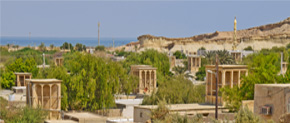
He also noted that the sustained efforts of Qeshm Island's local communities, researchers and media practitioners—particularly in the historic port village of Salakh—have resulted in the annual celebration of Nowruz-e Darya since the early 2000s, except for the interruption caused by the COVID-19 pandemic. Today, the event stands as a successful example of both event tourism and the revitalisation of living cultural heritage.
Latest News
-
روز جهانی صنایع دستی گرامی باد
Published on : Aug 2, 2025 -

آغاز فصل نوین آموزشهای ژئوپارکی در قشم/ سرمایهگذاری بر دانش جوامع محلی برای توسعه پایدار
Published on : Aug 2, 2025 -

ششمین دوره مسابقه دورریختنی های ماندنی من
Published on : Aug 2, 2025 -

روز جهانی بدون پلاستیک گرامی باد
Published on : Aug 2, 2025 -

۱۴ تیر، روز قلم گرامی باد
Published on : Aug 2, 2025 -

بازدید مدیرعامل سازمان منطقه آزاد قشم از ژئوسایت تنگه چاهکوه
Published on : Aug 2, 2025 -
توسعه حفاظت هوشمند در ژئوپارک جهانی قشم
Published on : Aug 2, 2025 -

برگزاری کارگاههای تخصصی بستهبندی صنایعدستی در قشم
Published on : Aug 2, 2025 -

روز جهانی محیط زیست گرامی باد
Published on : Aug 2, 2025 -

خیز جدید ژئوپارک قشم برای ارتقای جایگاه جهانی؛ از حفاظت هوشمند تا توسعه اقتصادی جوامع محلی
Published on : Aug 2, 2025